
Facial photographs and 3D models: privacy questions before sharing
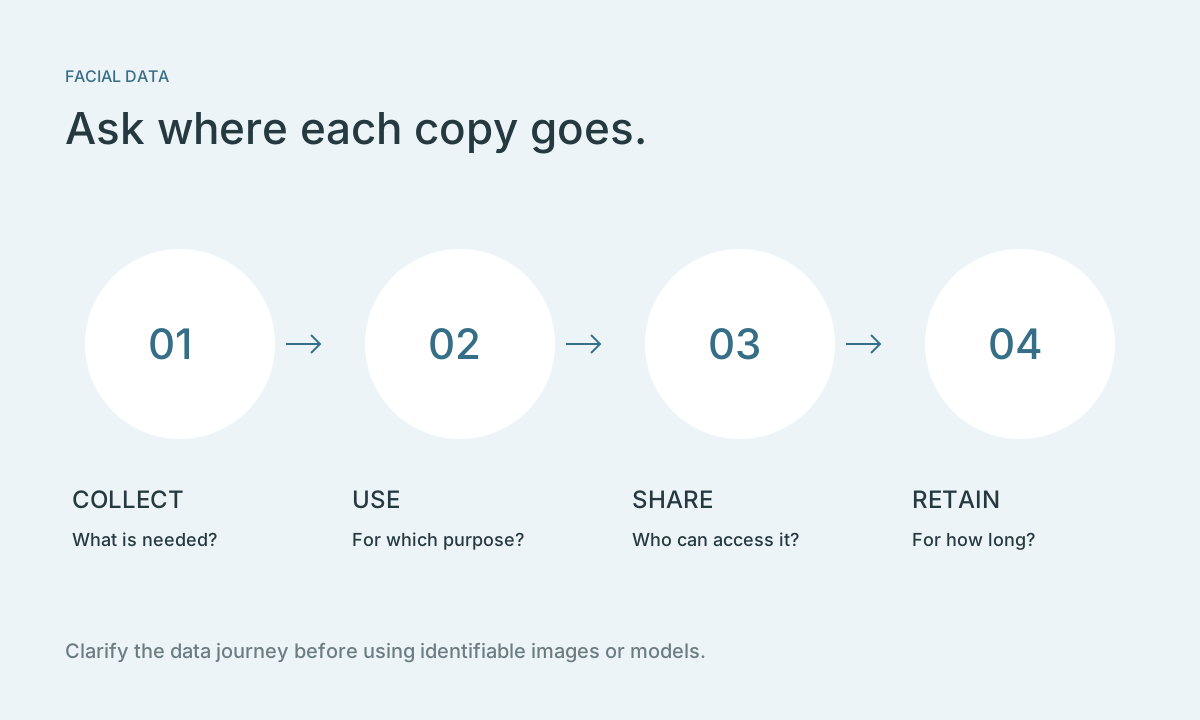
Sharing a facial photograph or model does not end with an upload. Files may pass through a phone, an external app, exported storage and a clinic system. This guide helps users and clinic teams map that journey and identify which provider needs to answer each question.
A photograph, a 3D model and biometric data are different terms
Identifiable information concerns personal data. Section 26 of Thailand’s PDPA separately defines biometric data through technology relating to characteristics used to distinguish a person. Do not classify a workflow from the words “photo” or “3D” alone; the actual use needs assessment.
List the files involved: original photographs, models, textures, simulations and accompanying information. They may be stored separately, so “has the image been deleted?” should identify which item you mean.
Reference: PDPA พ.ศ. 2562 / 2019 — English translation hosted by Thailand’s Department of Lands (PDF)
Map the complete journey
For an external-model workflow, start with phone → capture app → exported file → model-viewing system. Add other copies the team actually makes, such as shared folders or messages used for handover.
DooDeeClinic imports models created in an external app. Ask both that app’s provider and DooDeeVision about their respective processes. One provider’s explanation does not establish the practices of another.
- Who receives each item, and through which channel?
- Which other systems or providers are involved?
- Where are supporting files or extra copies created?
Ask about the purpose of each use
“Providing the service” may be too broad to explain a workflow. Ask separately about showing an illustration in a consultation, retaining it for another appointment and any further use, such as development, demonstrations or publicity.
This guide does not assume that every activity uses the same consent basis. The clinic’s responsible privacy adviser should assess the applicable legal basis and conditions; the presence of a checkbox is not evidence that all requirements have been addressed.
- Which step needs this information?
- Is it used beyond the consultation I requested?
- Who handles questions about additional uses?
Clarify access, retention and copies
Ask for roles or responsibilities instead of a broad answer such as “only our team.” A clinic evaluating its process can ask how access is handled when someone changes roles or leaves.
When discussing deletion, distinguish working files, copies already shared and backups. Ask where requests go and how the response is explained. Retention obligations or other conditions may apply, so do not presume every copy disappears immediately.
- Who can access the information, and how is access limited?
- How long is each type retained, and why?
- Who handles access, correction or deletion requests?
Example: request a demo without sending a real face
A clinic checking compatibility can first describe its capture app, version, device and export extension, then agree on an appropriate sample. This keeps the first discussion focused on the workflow without passing a client’s information through several channels.
The DooDeeVision website form prepares an email draft; it is not a facial-model intake service. Before any sample is necessary, agree on the transfer method, purpose and recipient with the team.
Keep a short record of the answers
Use headings such as information, purpose, access, storage, retention and contact. Mark unresolved points as awaiting confirmation, rather than substituting the word “secure” for missing details.
The legal reference is an English translation of Thailand’s PDPA hosted by a Thai government department. This guide is a question framework, not legal advice or a certification of a product’s safeguards. Other jurisdictions require assessment of their own laws.
Sources
Visualization supports a consultation. It does not guarantee treatment outcomes. Assessment and advice remain the physician’s responsibility.